Jr. High Learning Overview
Mathematics
Students develop mathematical fluency and apply concepts to real-world problem solving.
Business Math and Algebra Foundations:
Emphasis on order of operations, laws of exponents, positive and negative integers, simplifying expressions, solving one- and two-step equations, and applying the coordinate plane.
Algebra Concepts:
Exploration of point-slope and slope-intercept formulas, translations, quadratic expressions, and data analysis through graphing and interpretation. Students connect these concepts to authentic applications, such as modeling change over time.
Geometry Concepts:
Study of area, volume, Pythagorean theorem, composite shapes, and geometric proofs. Students use geometry in design-based projects, linking mathematics to engineering, architecture, and real-world construction challenges.
Science
Hands-on experimentation and inquiry form the backbone of scientific study.
Year One – Anatomy and Physiology:
Topics include human body systems, homeostasis, molecular structures, and mental/physical health. Students conduct dissections, design experiments, and investigate how balance sustains life.
Year Two – Earth and Space Science:
Study of ecosystems, rocks and minerals, molecular structures, the water cycle, and planetary science. Emphasis is placed on sustainability, environmental stewardship, and understanding the balance of resources within Earth’s systems.
Across both years, The Scientific Method, nature journaling, and inquiry-based projects help students practice 21st-century skills such as teamwork, dialogue, note-taking, and presentation.
Literacy, Civics, and Project-Based Learning (PIBL)
Critical thinking and communication are at the center of literacy and social studies learning.
Year One – U.S. History and Civics:
Students analyze primary sources, examine landmark U.S. court cases, and develop essay-writing skills, including compare/contrast essays on leaders such as Malcolm X and Martin Luther King Jr. Discussion-based learning fosters civic awareness and critical evaluation of ideas.
Year Two – World Geography:
Learners explore global issues, cultural histories, and influential individuals. Projects include letter writing to political leaders and personal genealogical-geographical studies, connecting global history to students’ lives.
Literature Integration:
Students read and analyze diverse texts, developing skills in questioning, paraphrasing, analyzing perspectives, and constructing arguments. Literature provides opportunities for dialogue and exploration of multiple points of view.
Thinking Tasks
Thinking tasks—rooted in The Thinking Classroom framework—are integrated across all disciplines. These tasks encourage students to:
Analyze, compare, and evaluate information,
Construct and defend arguments,
Explore multiple perspectives,
Apply reasoning to real-world problems, and
Build habits of reflection and creativity.
Through these cross-curricular thinking routines, students strengthen their capacity for lifelong critical and abstract thought.
Life Skills & Whole-Child Education
At The Foundation Academy, academics are complemented by intentional instruction in life skills.
Personal Responsibility & Citizenship: Students examine their roles as global citizens and their impact on the environment and community.
Financial Literacy: Practical skills such as budgeting, taxes, and W-9 forms prepare students for real-world responsibilities.
Self-Concept & Career Exploration: Learners reflect on personal strengths, goals, and career interests.
Community Building: Service-learning projects, conflict resolution, and journaling foster empathy, communication, and leadership.
Executive Functioning & Collaboration
Executive functioning is intentionally embedded into daily learning.
Digital Tools: Students use Microsoft Teams and Office Suite to manage assignments, collaborate, and maintain accountability.
Organizational Strategies: Roles, team norms, mind maps, daily check-ins, and graphic organizers help students manage time and tasks.
Project Management: The SCRUM/Agile framework is applied in team projects, giving students practical experience in iterative design, collaboration, and self-monitoring.
Program Impact
By weaving together rigorous academics, critical thinking, life skills, and executive functioning, The Foundation Academy’s Jr. High STEAM program prepares students to be resilient learners and responsible citizens. Students leave the program equipped not only with strong academic knowledge, but also with the collaborative, organizational, and problem-solving skills needed to thrive in a complex world.
K-1-2 Learning Overview
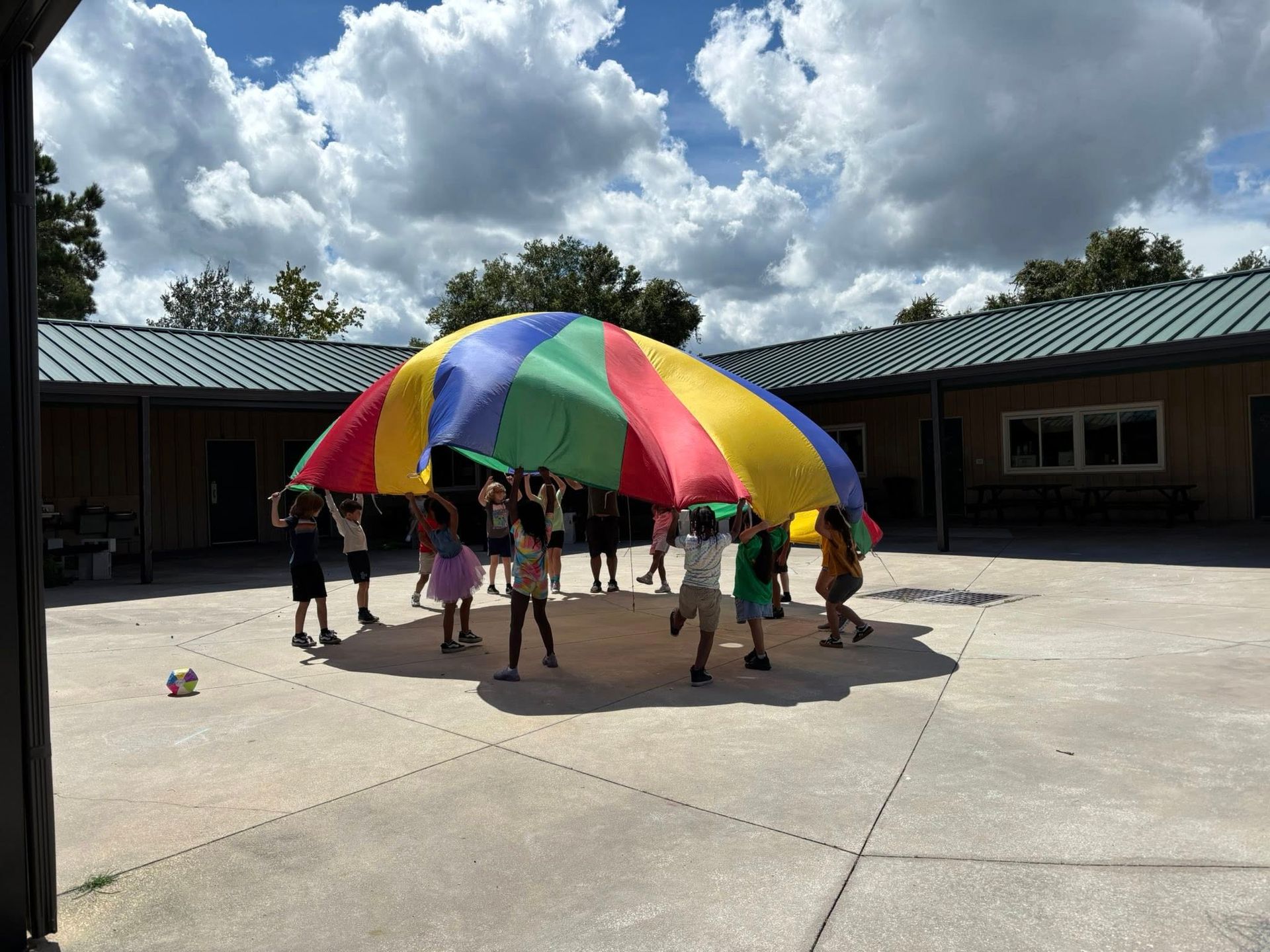
In early development at TFA, students begin to learn their God-given purpose.
3rd & 4th Learning Overview
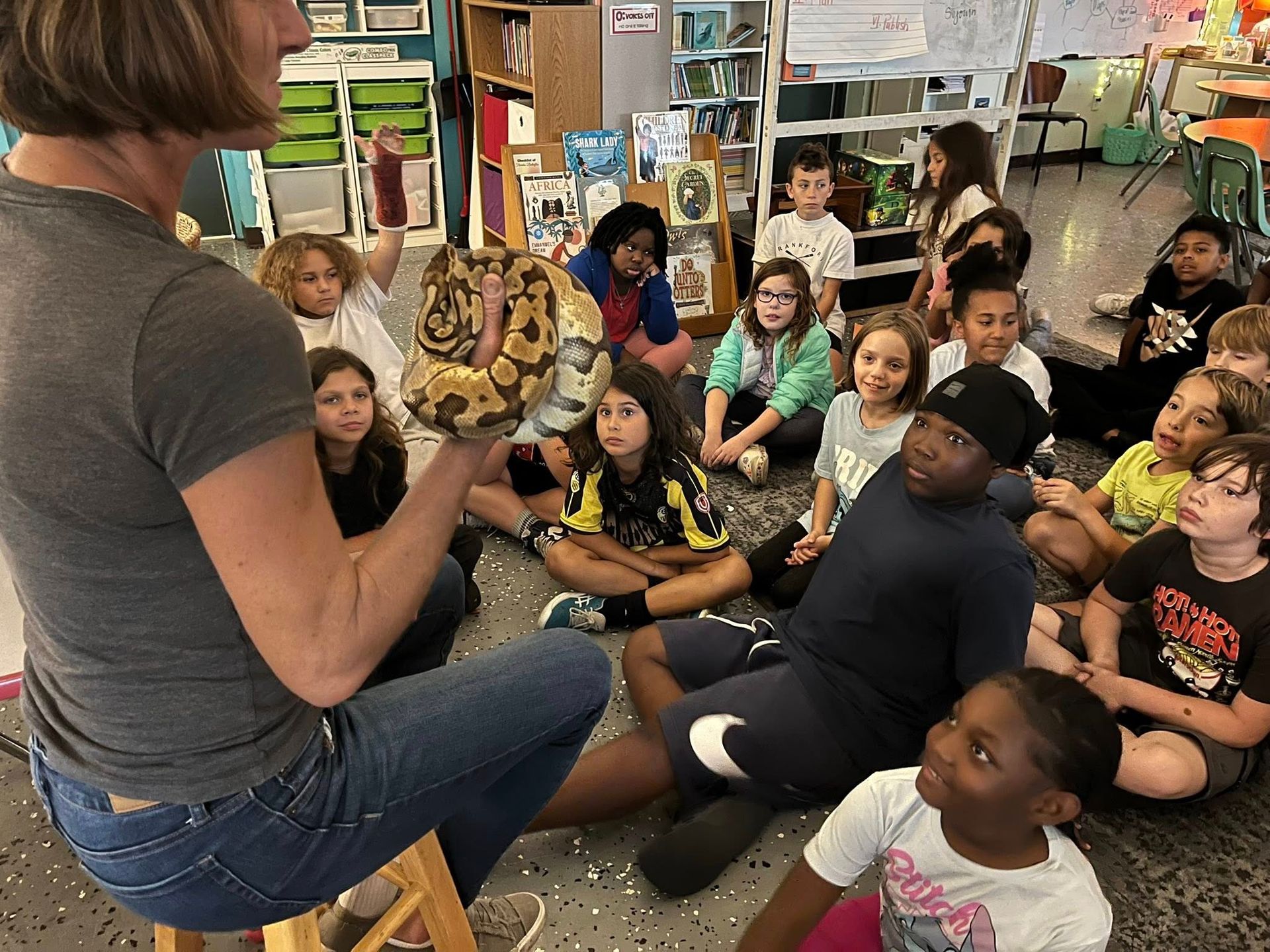
Through a holistic approach, students develop not only academic strength but also confidence, empathy, and purpose as lifelong learners.

5th & 6th Learning Overview
We believe students are uniquely made with different strengths and talents.
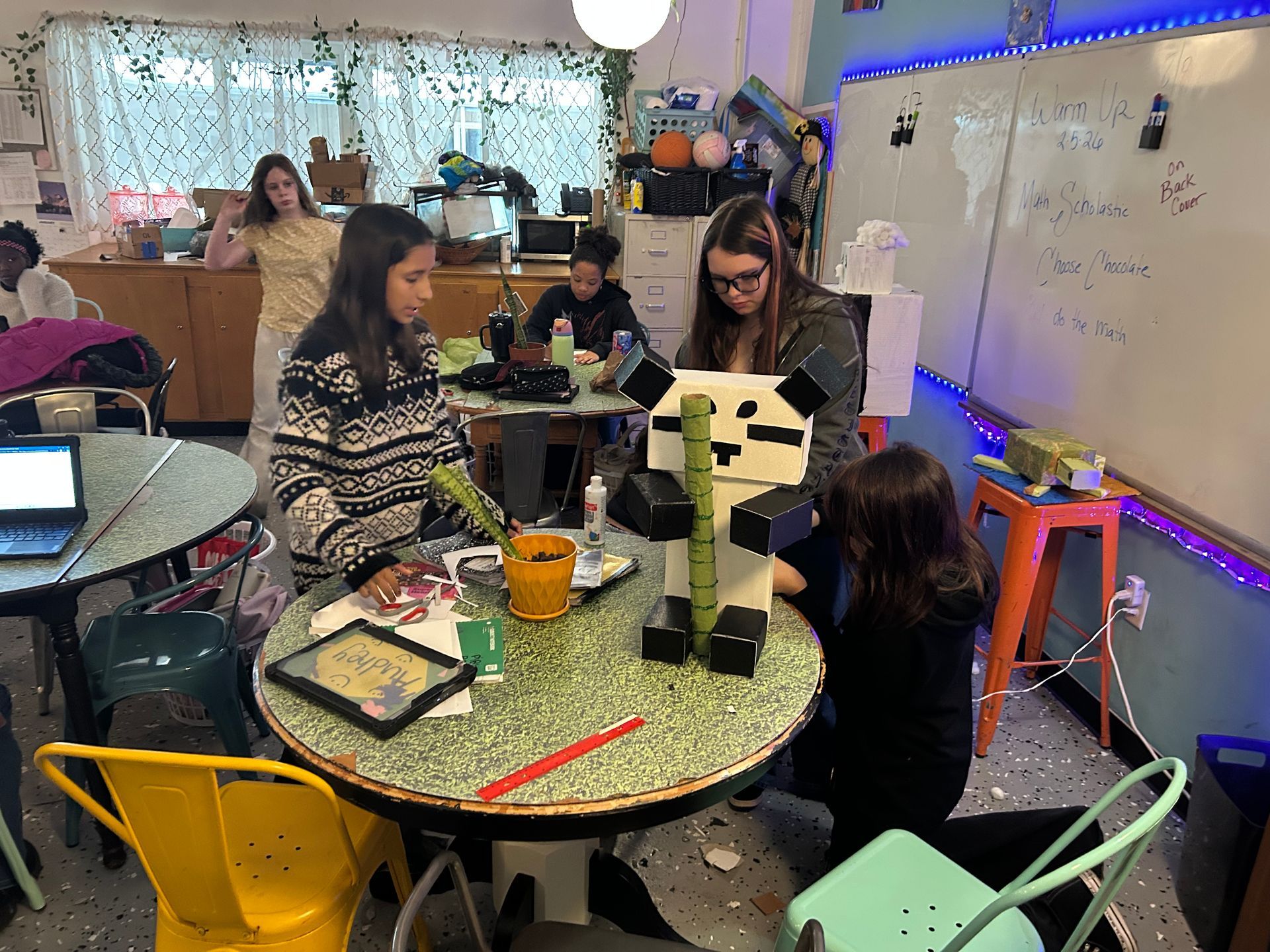
Middle School Girls
Our middle school girls are challenged to grow academically, spiritually, socially, and personally in a supportive classroom community where collaboration and perseverance are daily practices.
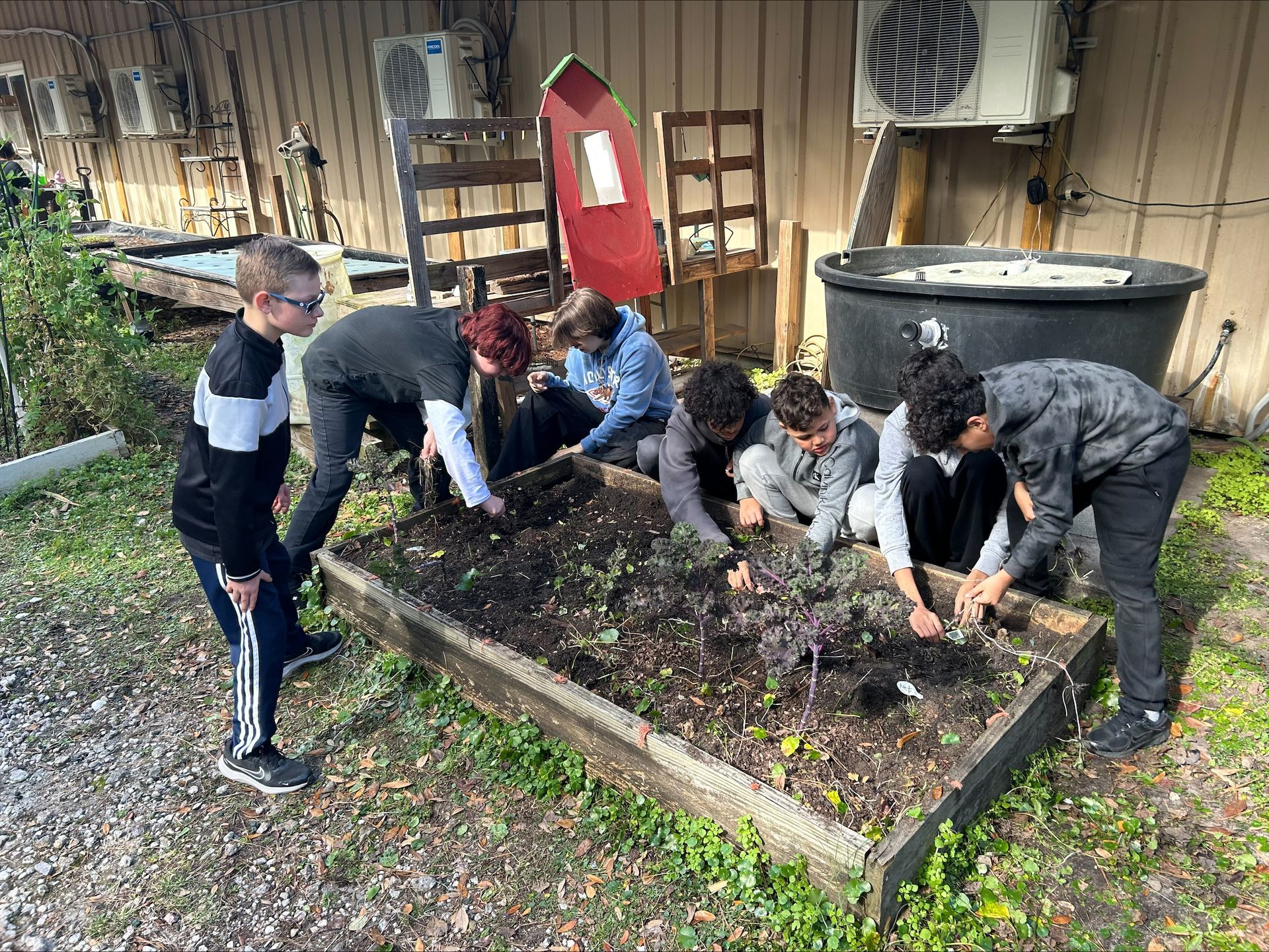
Middle School Boys
Our middle school boys' program emphasizes whole student development, combining faith, reflection, and practical skills.
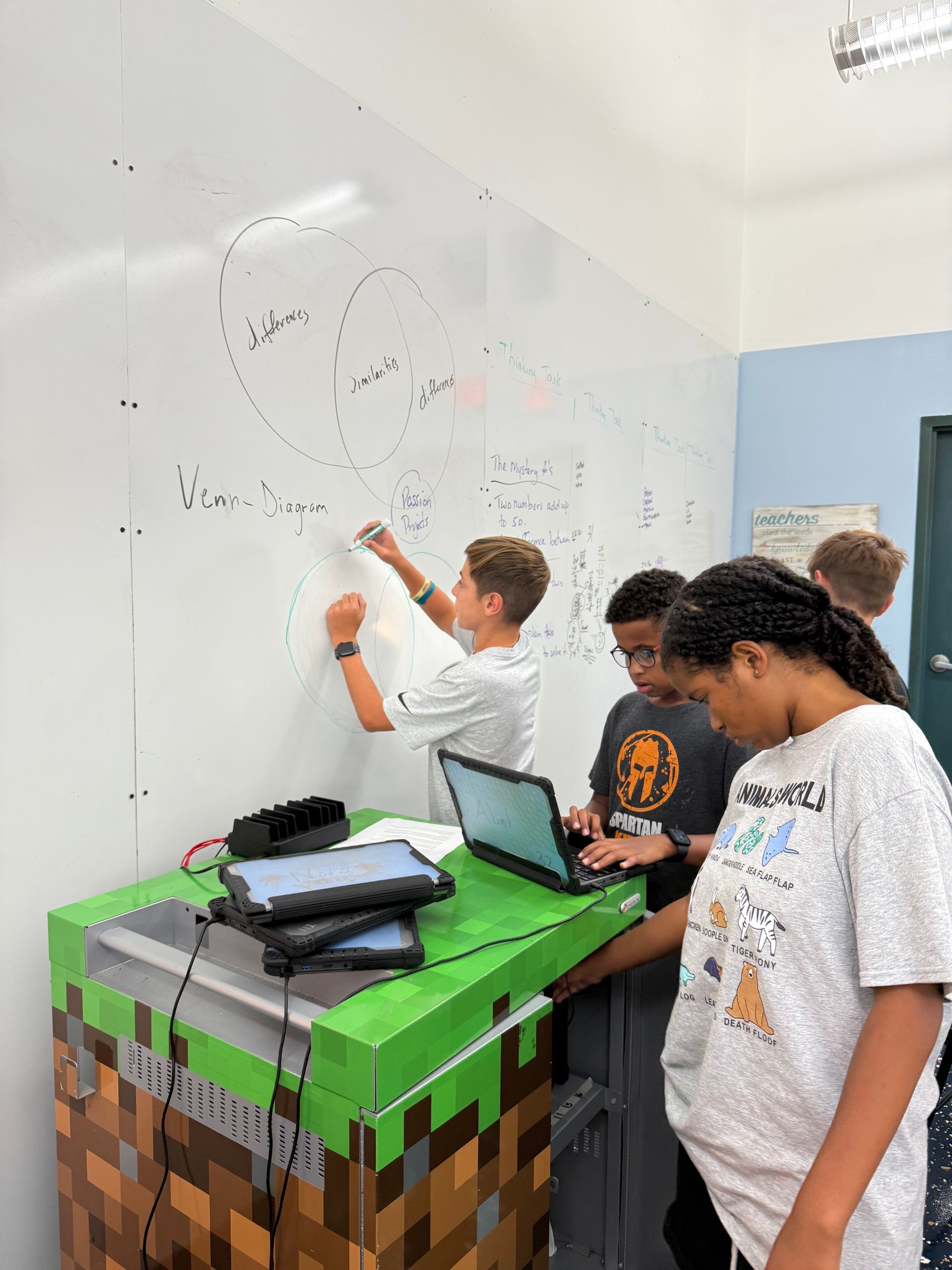
Jr. High Learning Overview
The Foundation Academy’s Junior High STEAM program is designed to educate the whole child by combining rigorous academics with critical thinking, inquiry, life skills, and social-emotional growth. Through a cross-curricular, project-based model, students gain the tools to become adaptable, responsible, and future-ready learners.
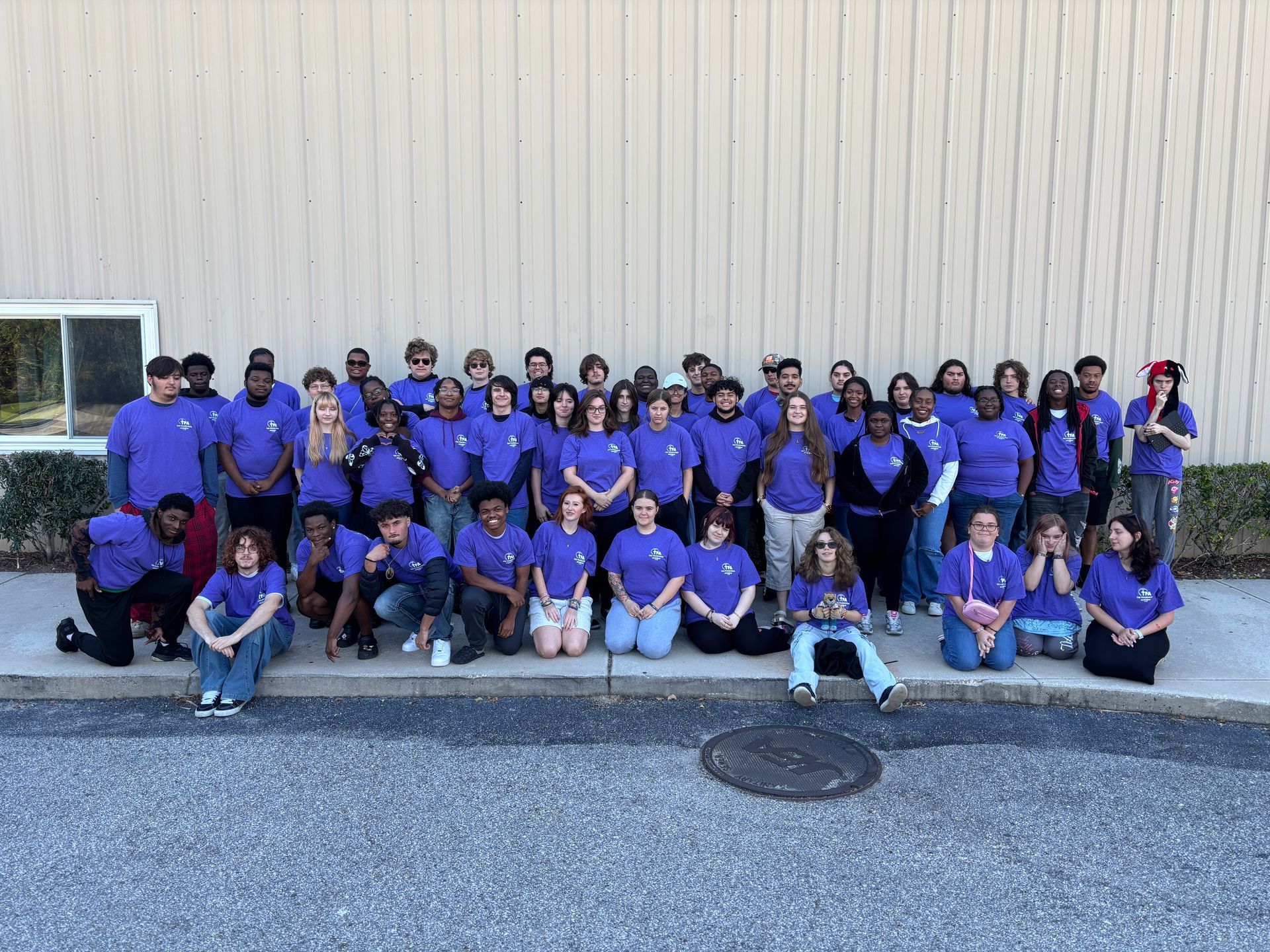
High School Learning Overview
Guided by our Senior Expectations and five domains of growth, students in grades 10-12 engage in rigorous academics, faith formation, and real-world application.